

What is Roof Flashing and Why is it Important?
Today, we're gonna talk about something that may not be the most glamorous topic, but it's definitely important: roof flashing.
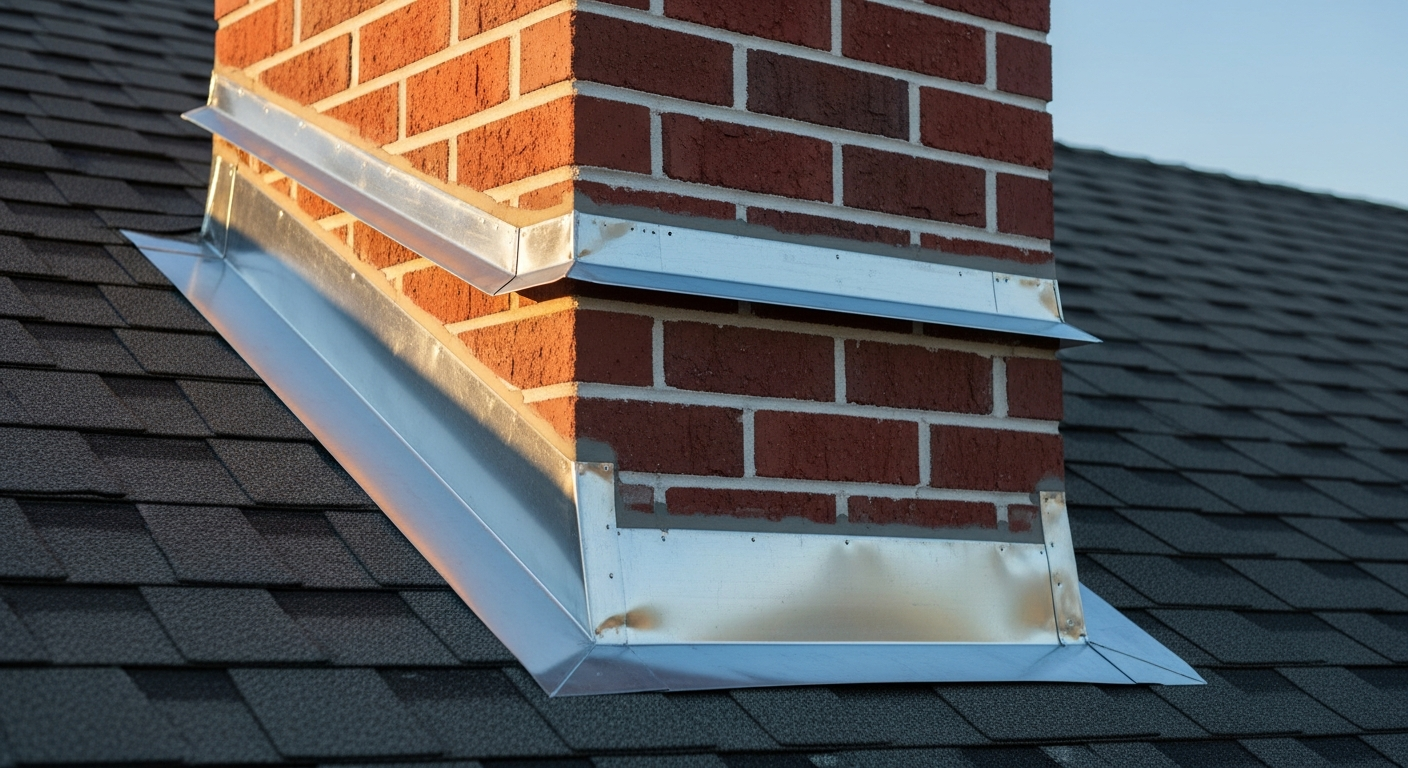
Roof flashing is a material that's installed on your roof to prevent water from seeping into your home. Roof flashing is typically made of metal or plastic and is placed around any area where the roof meets a wall or other structure. This includes chimneys, vents, skylights, and dormers.
Think of the roof flashing like a superhero cape. It protects your home from water damage by diverting the rainwater away from the vulnerable areas of your roof. Without it, your home could experience serious water damage, including leaks, mold growth, and even structural damage.
When it comes to installing roof flashing, it's important to get it done right. Poor installation or low-quality flashing can lead to problems down the line, including leaks and damage to your roof and home. That's why it's best to hire a professional roofer to install your roof flashing. They have the experience, tools, and know-how to ensure that your flashing is properly installed and protects your home.
Types of Roof Flashing You Need to Know About
Now, let's talk about some common types of roof flashing. There's step flashing, which is installed along the sides of walls where the roof meets them. Then there's valley flashing, which is installed in the valleys of your roof where two planes of your roof meet. Finally, there's chimney flashing, which is installed around chimneys to prevent water from entering your home through the chimney.
The Consequences of Poorly Installed Roof Flashing
Let's discuss the consequences of poorly installed roof flashing. If your roof flashing is not properly installed, it can lead to a host of problems for your home. First and foremost, poorly installed flashing can allow water to seep into your home, leading to leaks, mold growth, and other forms of water damage. Over time, this water damage can weaken your roof's structure, leading to sagging, cracking, and other serious issues. Additionally, poor flashing installation can increase the risk of pest infestations, as gaps and cracks in the flashing can provide an entry point for insects and other critters. Finally, poorly installed flashing can reduce your home's energy efficiency, as air can escape through gaps in the flashing and cause your HVAC system to work harder to maintain a comfortable temperature. All of these consequences can be costly and time-consuming to repair, which is why it's so important to invest in high-quality materials and professional installation from the start.
Signs of Damage: When to Repair or Replace Your Roof Flashing
One of the most common signs of flashing damage is rust or corrosion. Over time, exposure to moisture and the elements can cause metal flashing to deteriorate, leading to rust and other forms of corrosion. Additionally, you may notice cracks or holes in your flashing, which can allow water to seep into your home and cause damage. Finally, if you see any gaps or separation between your flashing and your roof or other structures, it's a sign that your flashing may not be doing its job properly. If you notice any of these signs, it's important to call in a professional to assess the damage and recommend the best course of action. In some cases, a simple repair may be enough to fix the problem. In other cases, however, you may need to replace your flashing entirely to ensure that your home is properly protected from water damage. By keeping an eye out for these signs and addressing any flashing issues promptly, you can help protect your home and avoid costly repairs down the line.
The Benefits of Regular Roof Inspections and Maintenance
When it comes to maintaining your roof flashing, it's important to keep an eye out for any signs of damage or wear and tear. If you notice any cracks, holes, or rust on your flashing, it's time to call in a professional to repair or replace it. Additionally, you should have your roof inspected regularly to ensure that your flashing is doing its job and protecting your home.
The Cost To Install New Roof Flashing
The price of roof flashing can vary depending on the type of material you choose, the size and complexity of your roof, and the cost of labor in your area. Typically, metal flashing is more expensive than plastic flashing, but it also tends to be more durable and longer lasting. Additionally, the cost of installation can range from a few hundred dollars to several thousand, depending on the extent of the work needed. While it may be tempting to try to save money by installing your own roof flashing or hiring a cheap, unqualified contractor, it's important to remember that investing in high-quality materials and professional installation can save you money in the long run by preventing costly water damage to your home.
So, there you have it, folks: the importance of roof flashing. It may not be the most exciting topic, but it's definitely one that homeowners should be aware of. Remember, roof flashing is like a superhero cape for your home, protecting it from water damage and keeping it safe and sound.


