
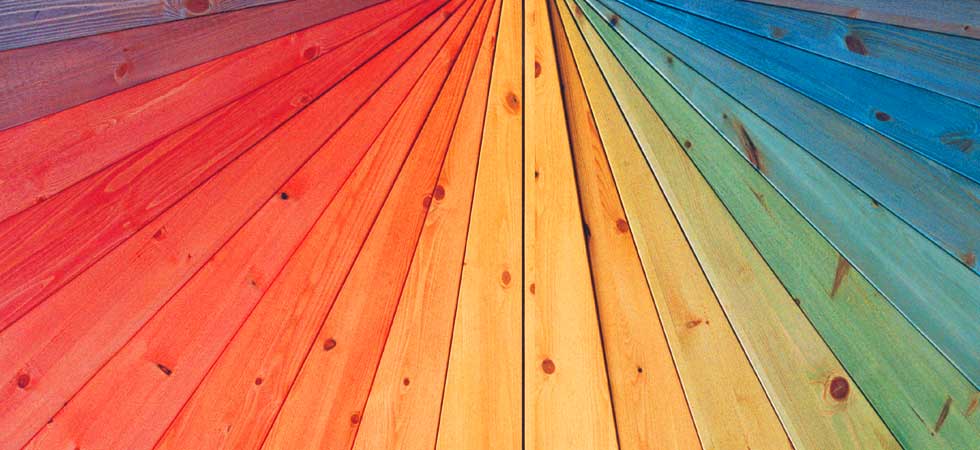

Choosing an appropriate wood floor for your home can be an enormous task. This is partly due to the wide range of wood types, patterns, and cuts, as well as engineered woods which are available on today's market.
Choosing the right flooring for your home's decor usually takes a lot of time and research. This is, of course, before you even consider a replacement wood floor color. Make no mistake, your wood floor installation's color is something you want to get right the first time if you want to avoid any costly refinishing costs.
One of the best ways to choose a color for your wood floor replacement is to think about the overall style you wish to achieve and then to match the best wood and color to integrate into your home's decor. Creativity in the interior design world is always welcomed, but there are certain guidelines which should be followed in order to prevent expensive or humiliating blunders when choosing a wood floor color.
 Light Versus Dark Wood Flooring
Light color wood floors have become common due to the many solutions they offer an interior designer. Lighter colored wood floors can be built up with contrasting furniture and wall colors to create more space in the room.
Generally, there aren't many scenarios where a light floor color would be unsuited. Light wood floor colors are best suited to rooms with low ceilings and light colored walls. Dark wood floors should not be used in small rooms with dark wall colors. This will leave a gloomy dense appearance.
Lighter color floors are the easiest to keep clean as they don't show up dust and debris as easily as darker floors. Dark wood flooring works well with a variety of colors and has always been popular, expressing a more formal, traditional look. Though darker color wood floors can also create a rustic, casual, or aged look.
When choosing a color for your wood flooring, whether it's light or dark,avoid matching the colors of your walls or furniture. Instead, choose complementary or contrasting colors.
Choosing a Modern and Classic Wood Floor Color
Having so many colors to choose from for your wood floor replacement can actually work to your benefit. No matter how wild your interior decor is, you can find a wood floor to match. Consider the following popular color choices.
 Classic Brown
Brown has to be the most popular wood floor color choice. It doesn't matter what room or style home you live in, brown wood flooring just works. With more than 200 tones of brown hardwood, the key is matching the wood shade to compliment your home's furnishings. A medium warm tone brown such as antique oak will go perfectly with golds, creams, and other pale peach colors. Darker brown wood flooring shades will better suit green, olive, and beige grays.
Brown colored wood flooring can be used throughout the home no matter what color each room is, and in terms of an investment, will appeal to almost all home buyers.
Natural Beige

Natural wood flooring is a light, almost neutral beige color. Natural wood floors match with anything. Natural wood colors offer a simplistic minimal design with functionality. These best way to optimize this color is to have any other wood furnishings in the area match the tone of the floor. This will give off a modern Scandinavian look which has become a trending interior design style.
If, for example, you are replacing maple wood floors, match it with maple wood tables and chairs. If the color scheme feels too neutral, you can easily break it up with a few bright accessories or textures.
Tan Yellow
Yellow or tan wood floors are a classic option with its warm caramel and golden honey tone. Oak flooring is one of the main options in this color group. It adds warmth and it's perfect for the family home. Offering a "lived-in" look straight away, they also require less maintenance.
If you are looking for that rustic warm style to match big sofas and mohair rugs, this is it. Brass or chrome also goes perfectly with the lighter honeycomb wood tones.
 White
White
White wood floors are modern, they are minimalistic, and they can really express a personalized interior design. White walls and minimalist interior spaces are best suited to a gloss finish white wood floor. This design will work perfectly if you want to emphasize eye-catching art or furniture pieces.
Whitewashed wood floors can also offer the popular distressed beach or coastal look. Adding white wood floors with blue, turquoise, or green furniture can create a highly calming environment.
Gray
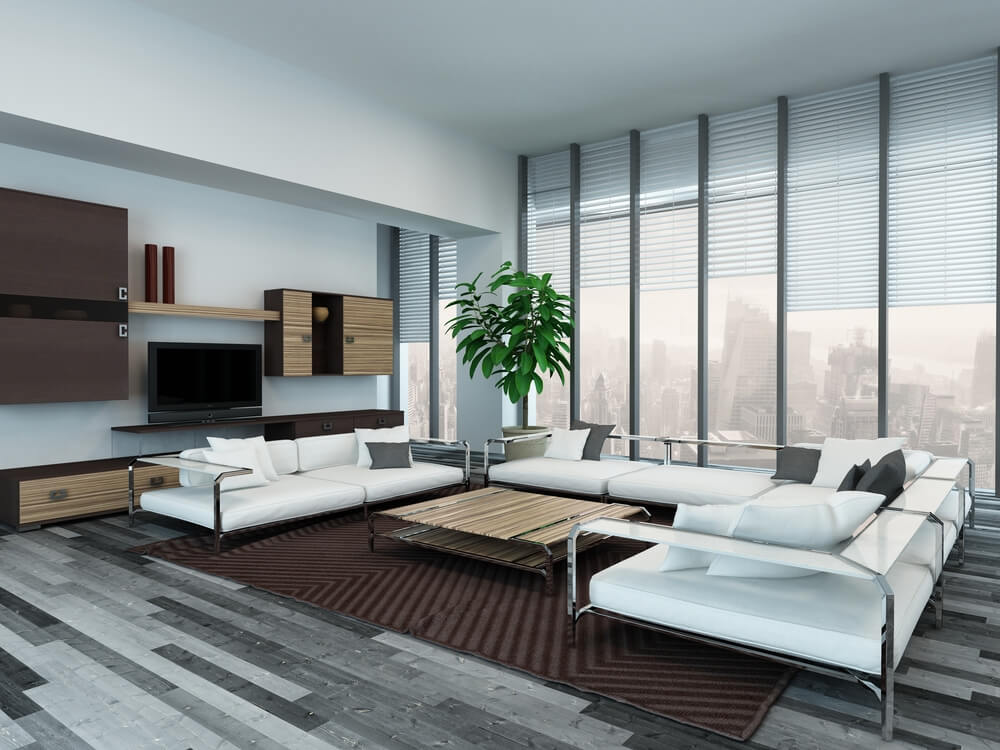
Lately, the who's who of interior design have been praising gray as the new neutral. Grey doesn't overwhelm when combined with other colors which make it highly flexible to work with.
But, gray is just that little bit uncommon and unconventional. It still adds an eccentric look to any room's interior. Grey wood flooring can really bring out textures in the wood grain. Match gray replacement wood floors with bold or warm furnishings and lighting.
Be aware that gray toned flooring is trending. If it should ever become unpopular it could end up showing its age.
 Red and Orange
If you thought gray was a bit unusual, this is the next level! Orange and red wood flooring tones have been successfully combined with modern and traditional interior design to really command the floor space. Bright floors are not for the faint-hearted and should be matched with pale cool blues and greens for a classic color offset. Steel blue or gray wall tones work well with gold or amber wood flooring for a contemporary touch. Red-stained wood floors with a gloss coating is a bold statement and not easy to pull off. Combine it with minimal whites and grays for a stylish silky finish.
Black

Dark brown or black stained wood flooring leaves a striking statement for any homeowner wanting an elegant and sleek look. Black wood floors are shameless, corrupt, and all the craze in the interior design market but it can become a bit harsh if not matched with the according decor.
Black hardwood is ideal for lush works of art and extravagant furnishings. It works best with a white and black color pallet. Add chrome, silver, gold, or copper accents with a touch of red for a grand impression.
Don't Stress Out
Keep it simple when choosing the perfect color palette for your home decor and wood flooring. You don't want too much contrast, texture, and color all in one place. Consider speaking to a local interior room designer. Use color samples inside your home with natural light. Remember, flooring has become an essential part of interior decor. Even though personal preference is important, you should always take factors such as room size, the height of the ceiling, textures, and furniture into consideration.


